troy bilt lawn mower instruction manual

This manual provides essential guidance for operating and maintaining your Troy-Bilt mower, ensuring optimal performance and longevity. Understanding its contents is crucial for safe and effective lawn care.
Importance of the Manual
Your Troy-Bilt lawn mower manual is far more than just a collection of pages; it’s a vital resource for maximizing the life and performance of your equipment. Ignoring the manual can lead to improper operation, potentially causing damage to the mower or, more seriously, personal injury.
The manual details crucial safety precautions, assembly instructions, and maintenance schedules specifically tailored to your model. Following these guidelines ensures efficient mowing and prevents costly repairs. It also provides troubleshooting steps for common issues, potentially saving you a service call.
Proper understanding of the manual empowers you to operate your mower safely and effectively, preserving its value and ensuring years of reliable service. Treat it as your primary guide to lawn care success!
Understanding Model Numbers
Troy-Bilt lawn mower model numbers are critical for identifying the correct parts, manuals, and service information for your specific machine. These numbers aren’t random; they encode details about the mower’s features, engine specifications, and manufacturing date.
Locating the model number is usually found on a decal affixed to the mower’s deck or engine. It’s a combination of letters and numbers, often starting with a prefix like “13A” or “214”.
When ordering parts or seeking assistance, always have your model number readily available. This ensures you receive the correct components and instructions, preventing compatibility issues and ensuring proper repairs. Accurate identification streamlines the maintenance process significantly.

Safety Precautions
Prioritize safety when operating your Troy-Bilt mower! Always read and understand all safety warnings and instructions before use to prevent injuries.
General Safety Rules
Always maintain a safe operating environment. Keep children and pets well clear of the mowing area during operation and when the mower is running. Never allow unqualified individuals to operate the machine. Before each use, thoroughly inspect the lawn for obstacles like rocks, toys, or wires, removing them to prevent damage or injury.
Wear appropriate safety gear, including sturdy footwear and eye protection. Avoid loose clothing that could become entangled in moving parts. Never operate the mower while under the influence of drugs or alcohol. Be mindful of bystanders and ensure they are a safe distance away. Always disengage blades before crossing gravel drives or roads.
Never attempt repairs or modifications yourself unless you are qualified. Always disconnect the spark plug wire before performing any maintenance. Report any unusual noises or vibrations immediately and cease operation until the issue is resolved.

Pre-Operation Checks
Before each mowing session, verify the oil level, ensuring it’s within the recommended range. Inspect the air filter for cleanliness, replacing it if necessary for optimal engine performance. Check the fuel level and use fresh gasoline to prevent starting issues. Examine the blade for sharpness and damage, sharpening or replacing it as needed.
Confirm all safety shields and guards are securely in place. Inspect the tire pressure, inflating to the manufacturer’s specifications. Ensure the grass catcher is properly attached, if used. Check for any loose nuts, bolts, or screws, tightening them before operation. Verify the throttle and controls function smoothly.
Finally, clear the mowing area of any debris that could be thrown by the blade.
During Operation Safety
Always keep hands and feet away from the cutting blade while the engine is running. Never allow children or pets near the mowing area. Wear appropriate safety glasses or a face shield to protect your eyes from debris. Be mindful of bystanders and ensure a safe distance is maintained.
Avoid operating the mower on wet or slippery surfaces, as this can lead to loss of control. Do not pull the mower backward while it’s running. If the mower strikes a solid object, stop the engine, disconnect the spark plug wire, and inspect for damage.
Never attempt to adjust the cutting height while the blade is in motion.

Assembly Instructions
Carefully unpack all components and verify against the parts list. Proper assembly is vital for safe operation; follow each step meticulously for optimal performance.
Unboxing and Parts Identification
Begin by carefully opening the shipping carton and inspecting it for any visible damage incurred during transit. Lay out all components on a clean, flat surface. Cross-reference each part with the detailed parts list included within this manual – ensuring everything is accounted for is paramount.
Key components typically include the mower deck, engine, handle assembly, wheels, and various hardware like bolts, nuts, and washers. Familiarize yourself with the names and functions of each part. Note any protective packaging and remove it before proceeding. Retain the packaging materials for potential return shipping or warranty claims. A thorough inventory now prevents frustration later during the assembly process.
Handle and Control Installation

Begin by attaching the handle to the mower deck using the provided bolts and washers, ensuring proper alignment with the pre-drilled holes. Tighten securely, but avoid over-tightening. Next, connect the control cables – typically for the blade engagement and self-propelled drive – following the diagrams in this manual.
Pay close attention to the routing of these cables, ensuring they move freely without obstruction. Incorrect cable installation can lead to operational issues. Once connected, test the functionality of each control to confirm proper engagement and disengagement. Secure any excess cable length with the provided clips to prevent interference during operation.
Wheel Attachment
Start by aligning each wheel with its corresponding axle stub on the mower deck. Push the wheel firmly onto the stub until it clicks into place, or secure it with the provided cotter pin or retaining clip. Ensure all wheels are properly seated and rotate freely.
Verify that the wheels are tightened securely to prevent wobbling during operation. If adjustable, set the wheel height to your desired cutting level, referencing the height adjustment guide within this manual. Double-check all connections before proceeding, as loose wheels can compromise stability and mowing performance.
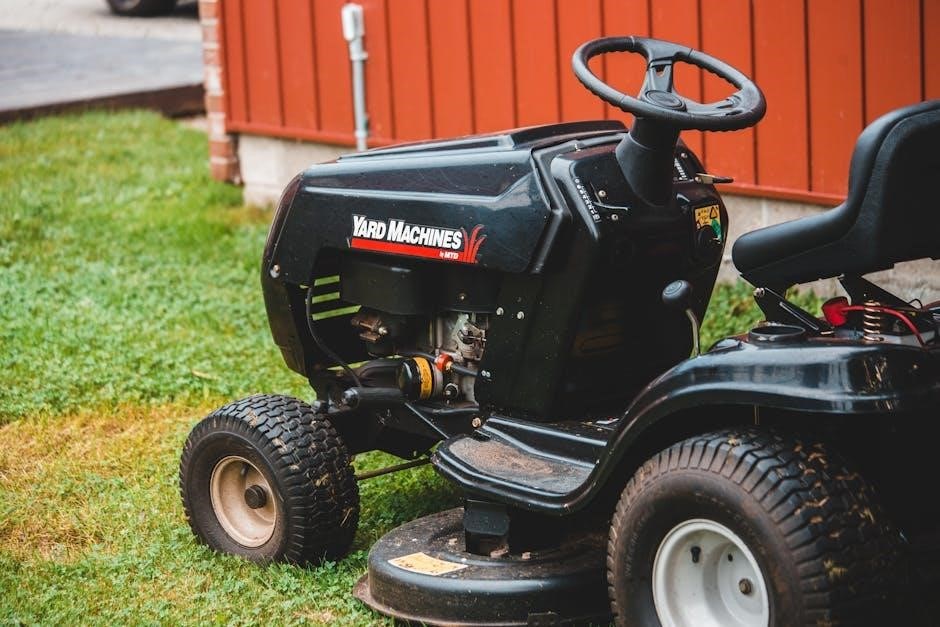
Operating Your Troy-Bilt Mower
Proper operation involves starting the engine, adjusting cutting heights, and employing effective mowing techniques for a beautifully maintained lawn, safely and efficiently.
Starting the Engine
Before attempting to start your Troy-Bilt mower, ensure the blade is disengaged and the parking brake is firmly applied. Check the fuel level and oil level – insufficient levels can prevent starting. Locate the primer bulb and press it repeatedly until fuel is visible.
Next, position the throttle control to the ‘choke’ or ‘start’ position, depending on your model. Firmly grasp the starter grip or press the start button. If the engine doesn’t start after several attempts, allow the starter to rewind slowly. Repeat the starting procedure, adjusting the choke as needed. Once started, gradually reduce the choke for smooth operation.
Adjusting Cutting Height
Troy-Bilt mowers typically feature a single or multiple levers to adjust the cutting height. Locate these levers, usually near each wheel, and disengage any locking mechanisms. Select your desired cutting height – lower for shorter grass, higher for longer grass or uneven terrain.
Ensure all wheels are set to the same height for an even cut. Some models utilize a centralized height adjustment system; consult your specific manual for details. Regularly check the cutting height before each use, especially after transporting the mower. Proper height adjustment promotes a healthier lawn and efficient mowing.
Mowing Techniques
For optimal results, overlap each mowing pass by a few inches to prevent scalping and ensure a consistent cut. Vary your mowing pattern with each use to avoid compacting the soil and promoting healthy grass growth. Avoid mowing wet grass, as it can clog the mower deck and lead to uneven cutting.
When encountering thick or tall grass, increase the mowing height and make multiple passes, gradually lowering the height with each pass. Be mindful of obstacles and adjust your speed accordingly. Regularly empty the grass catcher to maintain efficient operation and prevent clogging.

Maintenance Schedule
Regular upkeep is vital for peak performance. This schedule details oil changes, spark plug replacements, and air filter cleaning, ensuring mower reliability.
Oil Change Procedures
Maintaining proper oil levels is paramount for engine health. Begin with a warm engine, then disconnect the spark plug wire for safety. Locate the oil drain plug, typically underneath the mower, and position a drain pan. Carefully remove the plug, allowing the old oil to fully drain.
Once drained, replace the plug and tighten securely. Next, locate the oil fill cap and add the recommended oil type and quantity, as specified in your model’s manual. Always check the oil level with the dipstick, ensuring it falls within the designated range. Properly dispose of used oil at a recycling center – never pour it down drains or onto the ground. Regular oil changes extend engine life and ensure optimal performance.
Spark Plug Replacement
A fouled or worn spark plug can cause starting difficulties and reduced engine performance. First, disconnect the spark plug wire to prevent accidental starting. Use a spark plug socket to carefully remove the old plug. Inspect the old plug for signs of wear, fouling, or damage – this can indicate underlying engine issues.
Gap the new spark plug to the specification listed in your owner’s manual; a proper gap ensures efficient combustion. Carefully thread the new plug into the cylinder head by hand to avoid cross-threading, then tighten it with the spark plug socket to the recommended torque. Reconnect the spark plug wire, and your engine should start more reliably.
Air Filter Cleaning/Replacement
A clean air filter is vital for engine health, preventing dirt and debris from entering the carburetor. Regularly inspect the air filter – typically after every 25 hours of use. If the filter is slightly dirty, gently tap it to remove loose debris, or use compressed air (blowing from the inside out).
For heavily soiled filters, replacement is recommended. Remove the air filter cover and note the filter’s orientation before removing it. Install the new filter correctly, ensuring a tight seal. A clogged air filter restricts airflow, leading to reduced power and increased fuel consumption.

Troubleshooting Common Issues
This section details solutions for frequent problems like starting difficulties, blade concerns, and drive system malfunctions, ensuring quick resolutions for continued mowing success.
Engine Won’t Start
If your Troy-Bilt mower engine fails to start, begin by verifying the fuel level and ensuring the fuel shut-off valve is open. Next, check the spark plug; a fouled or damaged plug prevents ignition. Confirm the spark plug wire is securely connected.
Examine the air filter for obstructions, as a clogged filter restricts airflow. Also, inspect the safety interlock switches – ensure the operator presence control and blade engagement lever are functioning correctly. A flooded engine can also be the culprit; allow it to sit for a few minutes before attempting to restart. Finally, if issues persist, consult a qualified service technician.
Blade Issues
Experiencing blade problems with your Troy-Bilt mower? First, ensure the blade is securely fastened to the spindle. A loose blade is extremely dangerous. Check for damage – nicks, bends, or dullness significantly impact cutting performance. A dull blade tears grass instead of cleanly cutting it.
If the blade is damaged, replace it immediately. Always disconnect the spark plug wire before working on the blade. Verify the blade is installed correctly, with the cutting edge facing upwards. Uneven wear can also cause vibration; sharpen or replace as needed. Regularly inspect the blade for optimal mowing.
Drive System Problems
If your Troy-Bilt mower’s drive system isn’t functioning correctly, several issues could be the cause. Check the drive belt for wear, cracks, or breakage – a common culprit. Ensure the belt is properly routed around the pulleys. Also, inspect the drive cable; it may be stretched or disconnected.
Low oil levels can sometimes trigger safety mechanisms that disable the drive. Verify the oil level is correct. For self-propelled models, examine the engagement lever and cable for proper operation. If problems persist, consult a qualified technician for diagnosis and repair to avoid further damage.
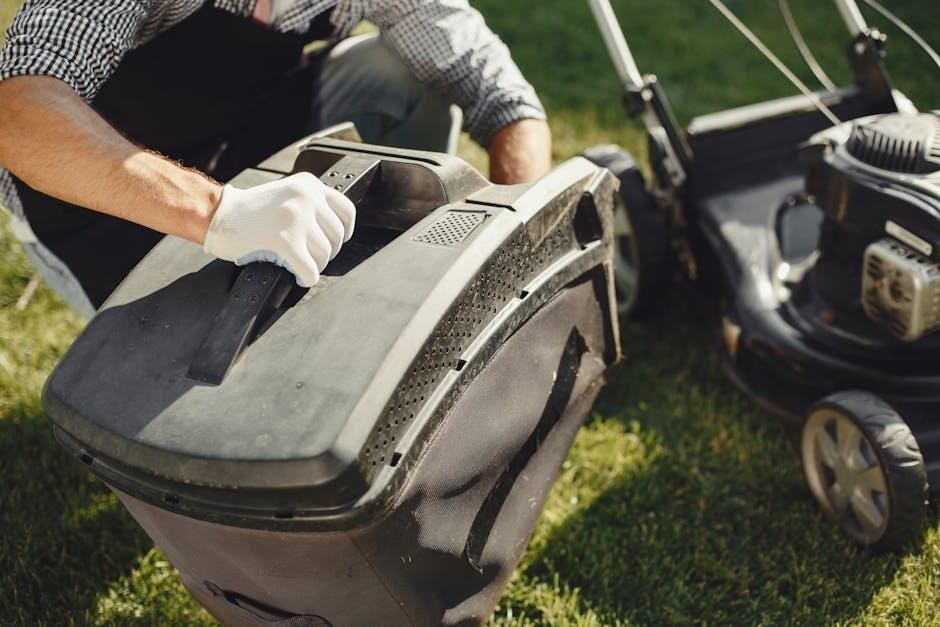
Parts Diagrams and Ordering
Locate detailed parts diagrams online or within supplemental documentation to identify specific components. Replacement parts can be ordered through authorized Troy-Bilt dealers or their website.
Locating Parts Diagrams
Accessing accurate parts diagrams is vital for successful mower repairs and maintenance. Troy-Bilt provides several avenues for locating these essential resources. Begin by consulting the original owner’s manual, as many include exploded views of key components. Alternatively, visit the official Troy-Bilt website; their support section typically features a searchable database of diagrams categorized by model number.
Third-party websites specializing in outdoor power equipment parts often host diagrams as well. When utilizing these resources, always verify the diagram’s compatibility with your specific mower model. Carefully cross-reference part numbers to ensure accuracy before ordering replacements. Detailed diagrams will illustrate component relationships, aiding in proper assembly and troubleshooting.
Ordering Replacement Parts
Once you’ve identified the necessary parts using diagrams, ordering replacements is straightforward. The official Troy-Bilt website offers a direct online ordering system, ensuring genuine parts and compatibility. Numerous authorized Troy-Bilt dealers also stock a wide range of components, providing expert assistance and immediate availability.
Alternatively, several online retailers specialize in lawn mower parts, offering competitive pricing and extensive inventories. When ordering, always have your mower’s model number readily available to guarantee correct part selection. Double-check shipping costs and return policies before finalizing your purchase. Proper part identification prevents delays and ensures successful repairs, keeping your Troy-Bilt mower running smoothly.
Winter Storage
Proper winterization safeguards your Troy-Bilt mower against damage from freezing temperatures and ensures easy starting when spring arrives for optimal performance.
Preparing for Winter
Before storing your Troy-Bilt mower for the winter, thorough preparation is essential to prevent corrosion and ensure a smooth start next season. Begin by running the engine until it completely stops to empty the fuel tank, or add a fuel stabilizer to prevent fuel degradation.
Remove the spark plug wire to avoid accidental starting. Clean the mower deck thoroughly, removing grass clippings and debris to prevent rust. Check and lubricate all moving parts. Finally, store the mower in a dry, sheltered location, covering it to protect it from dust and the elements. This proactive approach will extend the life of your Troy-Bilt mower.
Battery Care During Storage
Proper battery maintenance is vital during winter storage to prevent sulfation and ensure reliable starting in the spring. If your Troy-Bilt mower has a removable battery, disconnect it and store it in a cool, dry place – avoid freezing temperatures.
Periodically check the battery voltage using a voltmeter; a fully charged battery should read around 12.6 volts. Consider using a battery tender or trickle charger to maintain the charge throughout the winter months. This prevents the battery from discharging completely, extending its lifespan and guaranteeing a ready-to-use mower when warmer weather arrives.